



Woven Opens the Blending Room Scotch Usually Hides
At Brown's of Leith, Woven put the pipettes on the table before the full facility had even arrived. The Edinburgh whisky blender announced its new Woven Blending Rooms on May 19, 2026, with public two-hour sessions scheduled to begin June 1 inside the former George Brown & Sons warehouse on The Shore.
The release was not another cask-finished bottle with a number on the neck. It was a format: a branded blending room where guests nosed component whiskies from Woven's flavor library, built a blend, bottled it in 3.4 oz (100 ml), and left with the evidence. For a category that still sells a great deal of romance around age statements, regions, and locked doors, the move was pointed. The dry aside writes itself: whisky has rarely suffered from a shortage of ceremony.
A brand built around the blend
Woven was founded in 2021 by Peter Allison, Duncan McRae, and Nick Ravenhall, and it has made blended whisky the main subject rather than the cheaper support act. Its own materials have long argued for flavor before label hierarchy, with components judged by what they add to the finished whisky rather than by origin, age, or reputation.
That position mattered here because the Blending Rooms were not a museum add-on. The two-floor Brown's of Leith site was planned to house Woven's full blending operations, public blending rooms, a tasting space, and a lounge bar, with the full facility targeted for completion in 2027. In the meantime, the public sessions became the first working piece of that larger plan.
Leith gave the announcement more weight than a convenient postcode. The neighborhood had been one of Scotch whisky's historic export and blending centers in the 19th and early 20th centuries, and Woven framed the project as a return of visible blending infrastructure to the area. That could sound sentimental if the bench work were not so literal.
What happened in the room
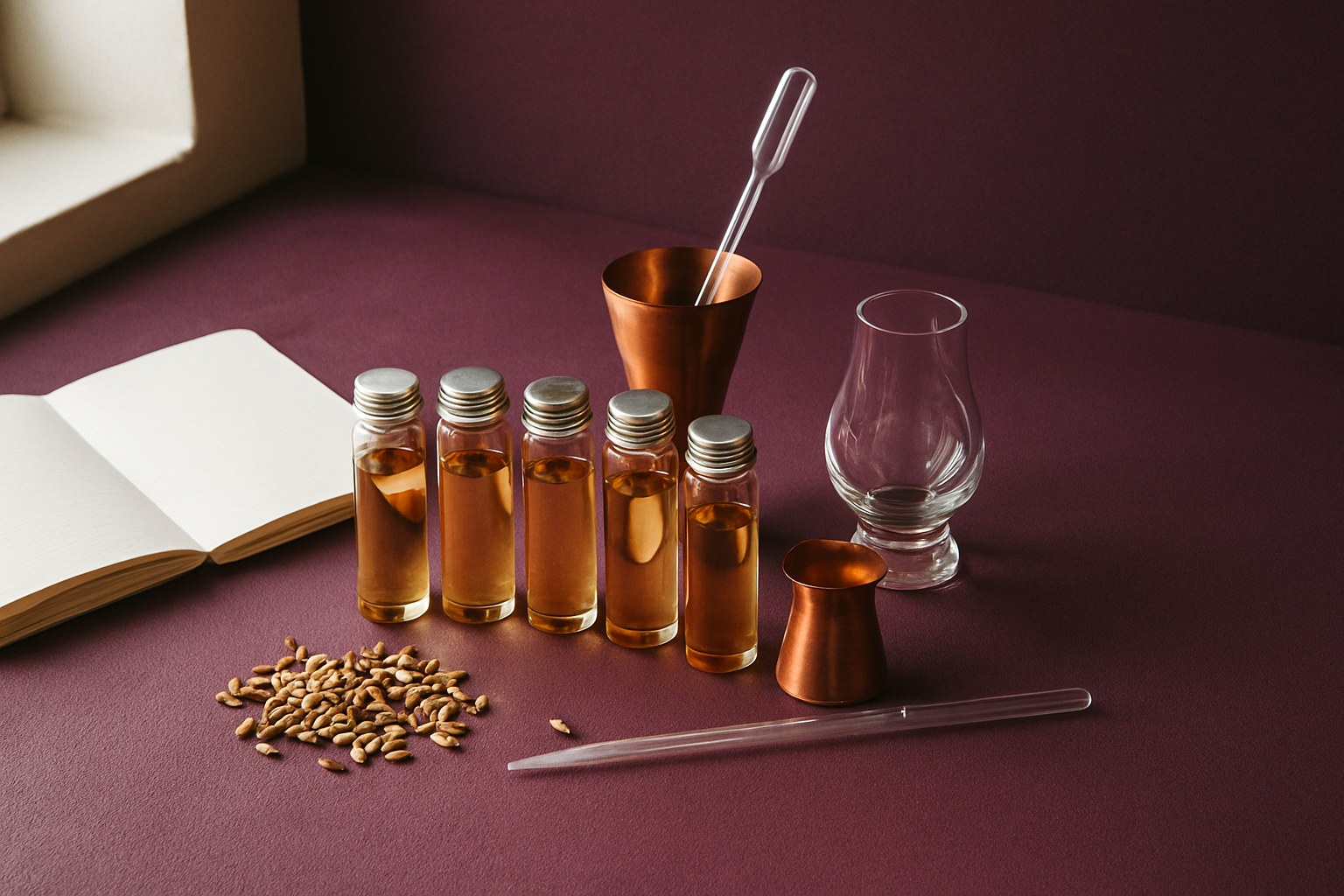
The session structure was unusually operational for a visitor experience. Guests began with a Highball at Haze, the specialty coffee and spirits bar inside Brown's of Leith, before moving into the Blending Rooms. Allison was slated to guide groups through nosing and tasting individual components, then let them experiment with proportions before committing a final blend to bottle.
The group size was kept small: six to eight people in the initial announcement, with the workshop terms allowing a four-person minimum and eight-person maximum. Scheduled sessions were listed for Thursday and Friday at 2 p.m., with private bookings by appointment. That size mattered less as hospitality theater than as actual bench logic; blending becomes noise fast when too many people are leaning over the same set of samples.
The technical center of the release was the component library. Woven's public-facing range has already made a case for contemporary blending across malt, grain, cask type, and sometimes geography. Its WXC, for instance, sat at 44.5% ABV and combined a proprietary Scotch whisky blend with Colombian coffee from Assembly Coffee Roasters. Its Black Rock collaboration was a 50% ABV blend built with Speyside malt, peated Staoisha, Teaninich, Glenrothes, mature grain, and new oak single grain, then married through American oak and PX seasoning.
Those details hinted at how the Blending Rooms might function. Guests were not being asked to choose between peat and no peat like a duty-free tasting mat. They were being shown how texture, grain sweetness, cask sweetness, smoke, and citrus-bright malt notes could be moved in small increments until a blend held together.
What it tasted like, before it became theirs
Because each guest left with a self-built whisky, there was no single official tasting note to assign to the release. The better read was the profile Woven had built around its public projects: silky grain weight, Speyside fruit, flashes of citrus peel, honeyed mid-palate, and a controlled thread of peat when the blend called for it.
In the Black Rock project, Woven described the finished whisky around texture: honey, citrus, dark chocolate, and a quiet line of smoke. WXC moved in another direction, using coffee for fruit and natural sweetness rather than turning whisky into a liqueur. Those two examples set the technical boundaries for the new room. One leaned into bar service and oak evolution; the other treated coffee as a blending component. Both made the same argument: blended whisky could be designed with the same specificity bartenders expect from vermouth, amaro, or rum blends.
That was the strongest part of the Leith launch. It treated blending as a technique, not a compromise. Scotch has spent decades teaching drinkers to ask where a whisky came from. Woven asked what it was doing in the glass.
The bar-world test
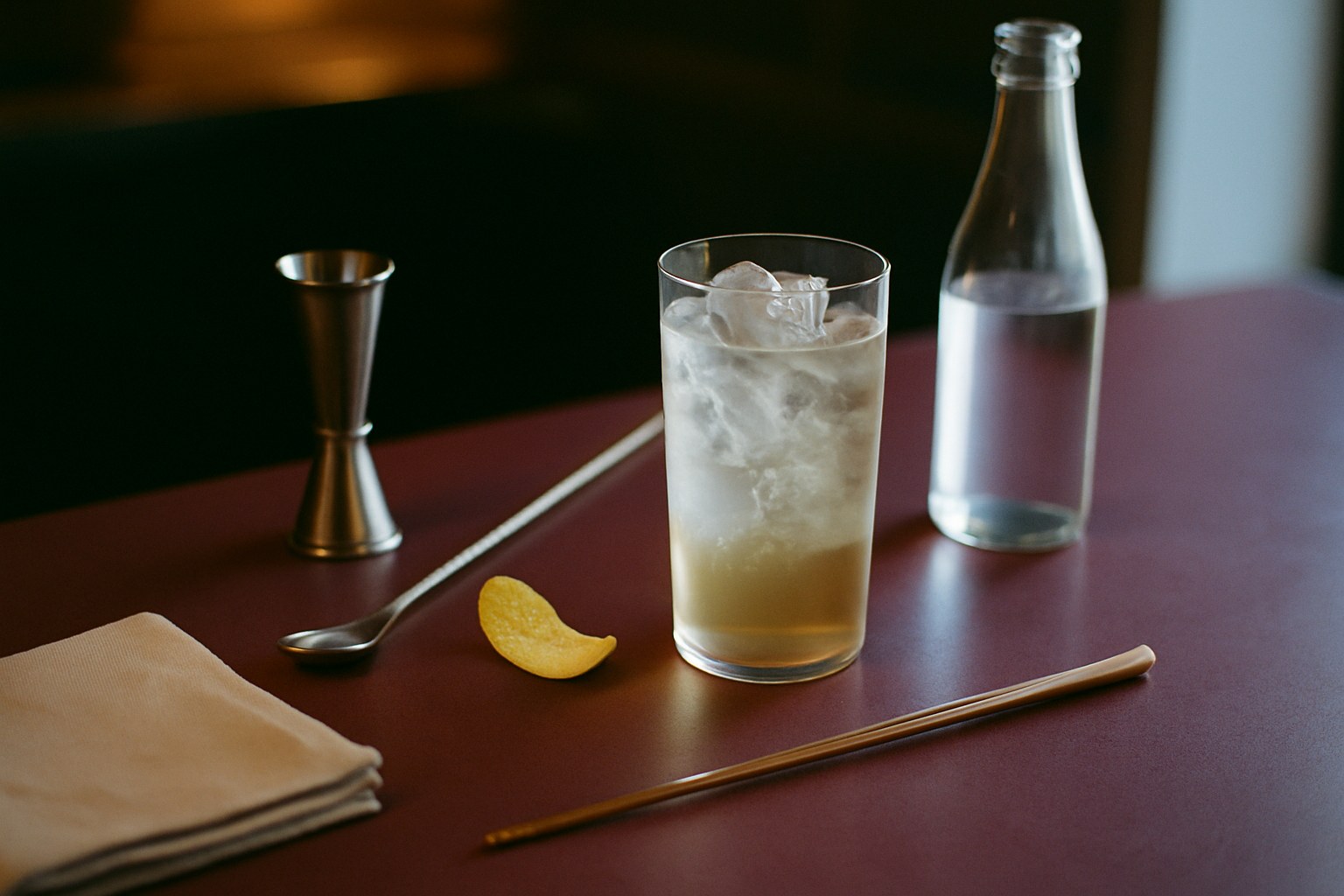
The question for bars was whether this was only a visitor attraction or a useful way to talk about whisky. Woven already had some evidence on the bar side. At The Gate in Glasgow, lead bartender Elyse built The Gate's Highball with Woven Homemade, barley syrup, and soda. The drink was deliberately plain-spoken: malt sweetness, carbonation, and a whisky base that did not need a lecture to make sense.
Black Rock in London gave Woven a more technical platform. The bar, known for organizing whisky by flavor rather than region, collaborated with the blender on W Project 07. Part of that whisky rested in Black Rock's oak table, while the rest continued marrying in Woven's Leith warehouse. It was a good match because Black Rock's whole service model had already separated whisky from the map and put it back into taste categories.
Haze, inside Brown's of Leith, played a different role. Its Highball at the start of the Blending Rooms session gave the experience a bar entry point before the pipettes appeared. That detail mattered: guests first encountered the whisky as a drink, not as a specimen. For bartenders, that is the more useful order of operations.
The Woven model also suggested a sharper way for bars to host whisky education. Instead of building flights around age, region, and scarcity, a bar could build them around the function of components: grain for length, refill wood for structure, sherry cask for bass notes, peat for punctuation. That language is closer to how bartenders already think when they spec a Manhattan or a Highball.
Why the release mattered
Woven's Blending Rooms arrived at a moment when Scotch had been under pressure to find new drinkers without flattening itself into flavored convenience. The old binary — serious neat pours on one side, simplified mixed drinks on the other — has not served the category especially well. Blending offers a third route because it is both technical and accessible when someone is willing to show the work.
The risk was obvious. A public blending room can become entertainment with better glassware if the components are reduced to novelty. Woven avoided that, at least in the announcement, by tying the experience to its actual production home and to a future facility that included full blending operations. The public bench was not separate from the professional one; it was positioned as the front door.
That made the Leith launch more significant than a tourism notice. Woven did not release a single finished bottle so much as release part of the blending process from the back room. If the category has spent years asking drinkers to respect the blender's invisible hand, this was the opposite move: put the hand, the samples, and the measuring glass in view, then let the finished whisky argue for itself.



 Contacts
 Select language
To take part in the dialogue, you need to Log in.