



The Spicy Margarita Is No Longer One Drink
The spicy Margarita used to read like a modifier, the same way a guest might ask for a skinny Margarita, a Tommy's, or something frozen if the weather had become unreasonable. By 2026, it had become more like a small category of its own: jalapeno, serrano, habanero, chile salt, hot honey, mango, cucumber, mezcal float, half rim, no rim, and, somewhere in the weeds, a bartender trying to remember which table wanted it "not too spicy" and which one wanted punishment.
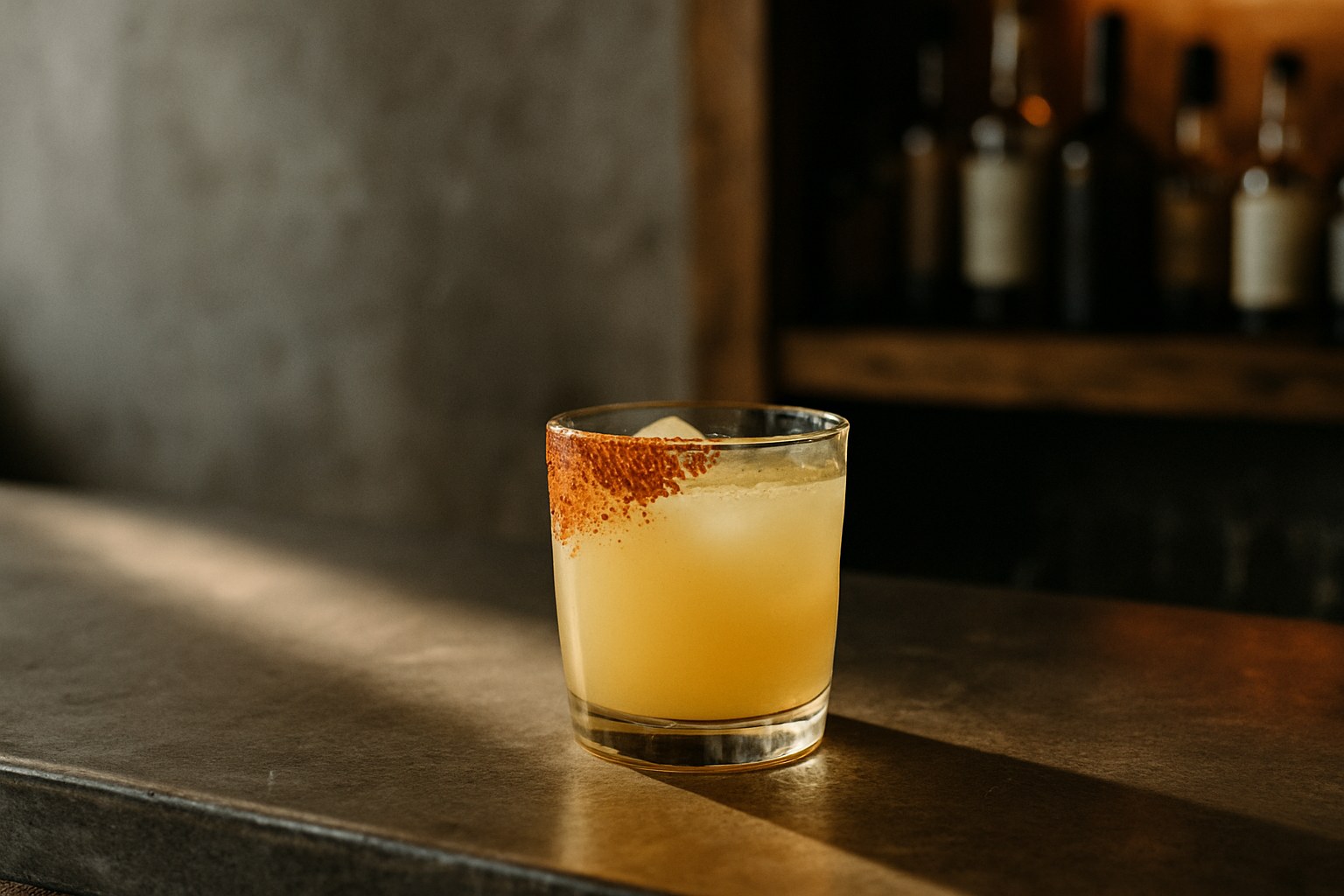
That shift did not happen in a vacuum. CGA by NIQ's 2024 Global Cocktail Report pointed to tequila as one of the flavors and bases pulling drinkers deeper into cocktails, while VinePair's 2024 on-premise reporting, using CGA by NIQ data, kept the Margarita at the top of the U.S. cocktail economy. Bacardi's 2024 Cocktail Trends Report also listed Margarita as the leading bar call in its consumer survey, with spicy among the flavors gaining attention. None of those sources meant the spicy Margarita alone had taken over the rail. They did show why a drink built on tequila, lime, salt, and heat had so much room to multiply.
Heat became a design choice
The first spicy Margarita most drinkers met was probably simple: blanco tequila, lime, orange liqueur or agave, a few slices of jalapeno muddled in the tin, and a salted rim that did more work than the garnish admitted. That version still sold because it was easy to understand. It also punished sloppy technique. Fresh jalapeno varied wildly from pepper to pepper, and muddling turned one round into a polite tingle and the next into a dare.
Better bars solved that problem by moving heat out of the guesswork stage. Some used chile tinctures by the dash. Others infused agave syrup, tequila, or mezcal so the burn could be measured rather than negotiated at service speed. The basic working build stayed familiar: 2 oz (60 ml) tequila, 1 oz (30 ml) lime juice, 0.5 oz (15 ml) orange liqueur, 0.5 oz (15 ml) agave syrup, and a controlled heat source. The difference was not novelty. It was repeatability.
That mattered because spice changed the pace of the drink. A classic Margarita was already a collision of acid, salt, sweetness, and alcohol. Heat added another moving part, and not a quiet one. Too little and the drink felt like a regular Margarita wearing a garnish. Too much and the second sip became administrative.
Salt did more than decorate
The rim became the easiest place for bars to signal intent. Tajin-style chile-lime seasoning taught a broad audience that salt, acid, and mild chile could be a single gesture. Cocktail bars took the cue and made it narrower: smoked salt with ancho, citrus salt with serrano, togarashi salt on tequila highballs that wandered close to Margarita territory. National Restaurant News was already tracking jalapeno and togarashi rims in bar programs as far back as 2011, which is a useful reminder that most "new" bar habits have simply waited long enough to look rested.
The half rim also became important. It gave guests an exit. A full chile-salt rim made the first sip loud and the last sip muddy, especially once condensation started dragging seasoning down the glass. A half rim let the drinker choose when to add salt and when to leave the tequila and lime alone. That small service detail often separated a considered spicy Margarita from a red-dusted photo prop.
Salt also covered flaws, which is why bartenders treated it carefully. It could flatten weak tequila, blur oxidized lime, and make a too-sweet build feel livelier for about three seconds. Then the drink had nowhere else to go. In the better versions, salt sharpened the citrus and framed the chile. It did not carry the drink.
The menu stopped treating it as one drink
Once the spicy Margarita became a dependable order, menus stopped listing it as a single house variation. Casual chains, hotel bars, Mexican restaurants, and cocktail rooms each pulled it toward their own grammar. Online menus in 2025 and 2026 showed the pattern clearly: cucumber jalapeno Margaritas, passion fruit Margaritas, mango spicy Margaritas, bottled spicy Margaritas for two, and frozen versions priced as confidently as Martinis. Toast-hosted menus from bars and restaurants across the U.S. routinely placed spicy Margaritas beside classic, mango, strawberry, guava, and coconut versions rather than as a one-off special.
That placement changed how guests ordered. The question was no longer whether someone wanted a spicy Margarita. It was which one. Fruit softened the burn. Cucumber cooled it. Mezcal made it drier and smokier, though smoke and chile could become a shouting match if the bartender let them. Habanero pushed the drink toward aroma and delayed heat; jalapeno kept it green and direct; serrano sat somewhere sharper.
The drink also fit the way many guests navigated modern cocktail lists. It sounded familiar, but not plain. It promised intensity without requiring a lecture about amaro, fortified wine, or a house lacto-ferment. For bartenders, that was both useful and tiring. A spicy Margarita sold, but it also invited customization at the exact point in service when the printer had begun its little campaign of terror.
Tequila carried the category
Tequila's broader rise gave the spicy Margarita a sturdy floor. CGA by NIQ's 2016 U.S. on-premise survey had already found tequila to be the favorite liquor base for cocktails among respondents, with the Margarita as the most popular cocktail. The later CGA and VinePair reporting suggested that preference did not disappear as cocktail menus grew more crowded. If anything, the Margarita became the format through which many guests tried tequila again and again.
For the spicy version, blanco tequila remained the cleanest base because it left lime and chile legible. Reposado worked when the drink leaned into pineapple, mango, or grilled citrus, but oak could make fresh green chile taste blunt. Mezcal added depth, though most bars were wise to use it as a split base or float rather than turning every spicy Margarita into a smoke signal.
The category also exposed a small language problem. Guests often asked for "spicy" as if it were a fixed measurement, when it was closer to temperature, pain tolerance, and dinner plans in one word. Good bartenders learned to ask one extra question: fresh pepper spicy, hot sauce spicy, or just a chile-salt rim? That answer usually saved the drink.
The phase ended when the labor stayed
There were signs of permanence in the unglamorous places. Bars batched chile syrup. They trained new staff on heat levels. They stocked backup peppers. They wrote menu copy that distinguished jalapeno from habanero rather than treating all heat as the same red smear. Ready-to-drink producers followed, as NIQ's 2024 analysis of RTDs noted broader consumer interest in canned and prepared cocktails, including Margaritas, as a convenience format. Once a flavor migrated from cocktail list to canned shelf and back again, it had usually stopped being a seasonal joke.
The risk was sameness. A spicy Margarita could become the new vodka-soda-with-a-story: reliable, profitable, and dead on arrival if nobody tasted it after the first spec sheet. The better path was narrower. Choose the chile for a reason. Keep the lime fresh. Let salt behave like seasoning, not signage. Build heat that returned on the finish instead of mugging the first sip.
That was why the spicy Margarita became a category rather than a phase. It gave bars a structure guests already trusted, then asked for just enough danger to make the order feel personal. The drink did not need to be hotter. It needed to be better aimed.



 Contacts
 Select language
To take part in the dialogue, you need to Log in.